Choosing the right fuel lines is critical for ensuring the safety, efficiency, and longevity of your vehicle or equipment’s fuel system. SAE standards provide clear guidelines for fuel line hose performance, helping you match products to specific pressure, temperature, and application needs.
1. Key SAE Standards for Fuel Lines
SAE standards classify fuel lines by their pressure tolerance, material, and intended use. The most common standards for automotive, industrial, and marine applications are the SAE J30 and SAE 100 series. Understanding these standards simplifies the selection process and reduces the risk of system failures, as each standard is tailored to address specific operational demands.
1.1 SAE J30 Series: Rubber Fuel Lines for Conventional Applications
The SAE J30 series is designed for low to medium-pressure fuel transfer, making it ideal for standard fuel systems,return lines, and tank connections. These rubber hose products balance flexibility, affordability, and durability, making them suitable for a wide range of everyday applications. stdrubberhose offers two popular variants that meet SAE J30 requirements:
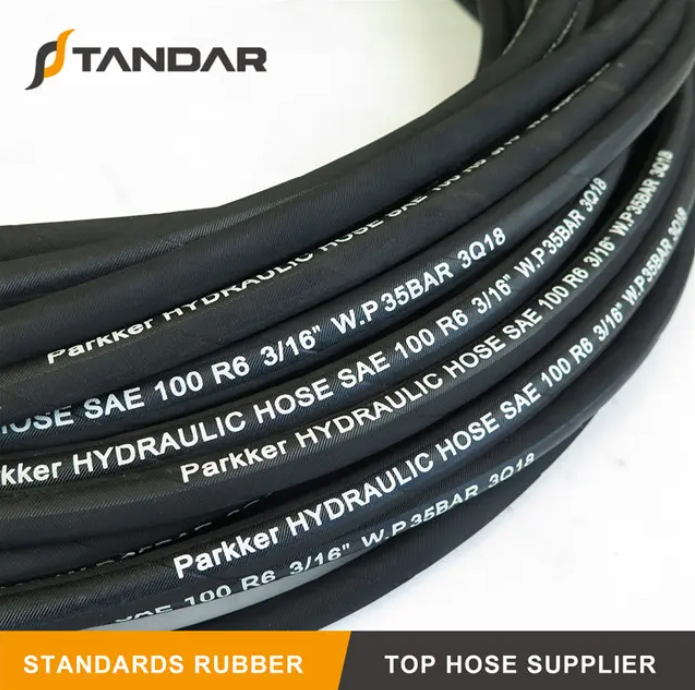
SAE J30 R6 High-Pressure Textile Braid Hydraulic Fuel Hose
○ Performance: Operating pressure up to 20bar (300psi), temperature range -40℃ to +100℃.
○ Material: Impermeable rubber inner tube (resistant to fuel permeation), textile reinforcement, and abrasion-resistant outer layer.
○ Applications: In-tank fuel lines, fuel injection systems for construction machinery (e.g., excavators) and commercial vehicles. Suitable for gasoline, ethanol blends, and diesel.
○ Key Advantage: SAE J30 R10 certified, OEM customization available, and compatible with immersion in fuel tanks—addressing the unique need for leak-proof and fuel-resistant tubing in submerged environments.
1.2 SAE 100 Series
For high-pressure hydraulic and fuel systems, the SAE 100 series delivers enhanced durability and pressure resistance compared to the J30 series. These products are engineered to withstand extreme conditions, such as high vibration, elevated temperatures, and heavy loads, making them essential for industrial and performance-focused applications.
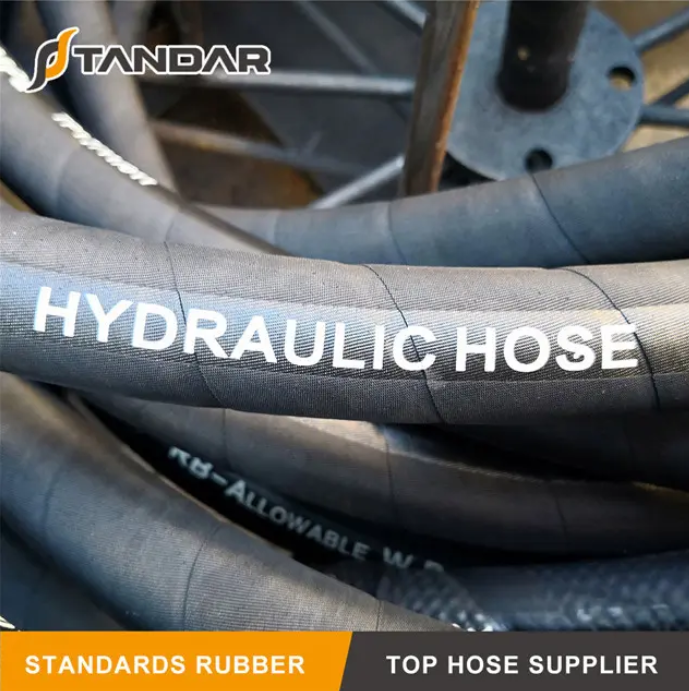
SAE J517-100 R3 High-Pressure Textile Braided Hydraulic Rubber Fuel Hose
○ Performance: Operating pressure up to 275bar (4000psi), temperature range -54℃ to +204℃.
○ Material: PTFE fuel line inner tube (chemical-resistant and leak-proof), stainless steel wire braid reinforcement, and protective outer cover.
○ Applications: Extreme-temperature fuel lines, corrosive fuel transfer (e.g., synthetic fuels), and high-pressure systems for industrial machinery, marine vessels, and racing vehicles.
○ Key Advantage: SAE 100 R14 certified, PTFE lining prevents fuel permeation, and custom sizes available for specialized needs.
2. Industry-Specific Application Guide
Different industries have unique requirements for fuel lines, shaped by their operating environments and equipment demands. Below is a breakdown of recommended products for common sectors:
Construction Machinery: SAE J30 R10(in-tank lines) + SAE 100 R14 (high-pressure lines) – resistant to abrasion, vibration, and harsh working conditions, these products withstand the dust, impacts, and constant movement typical of construction sites.
Commercial Vehicles (Trucks/Buses):SAE J30 R6 (return lines) + SAE 100 R3 (main fuel lines) – easy to install, durable for long-distance use, and compatible with quick-connect fittings, they support the rigorous demands of long-haul transport.
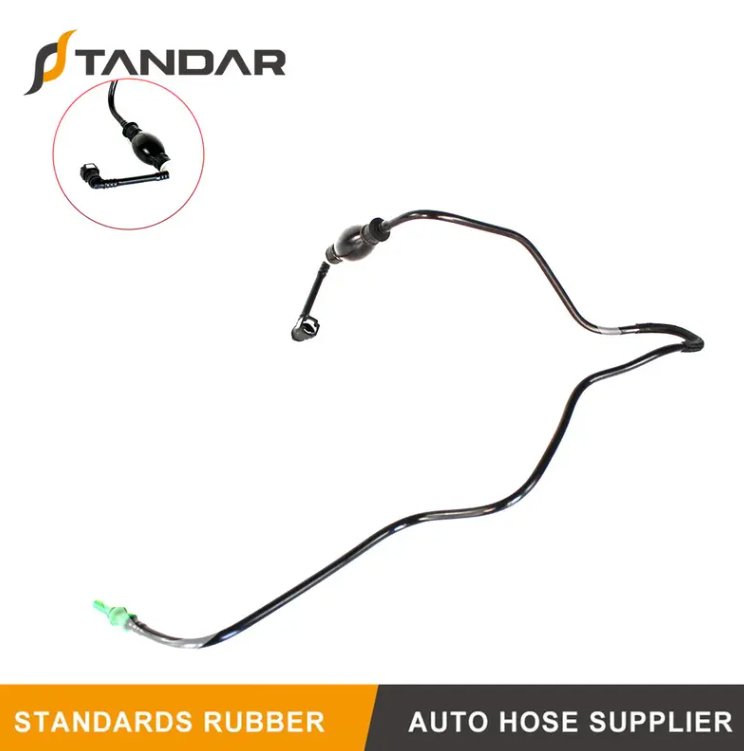
Marine Equipment: SAE 100 R14 (PTFE fuel line) + marine fuel line (8200505325 braided rubber Marinegrade Fuel Pipe )accessories – corrosion-resistant to seawater, fire-retardant, and compliant with marine safety standards, they address the unique hazards of saltwater environments.
Agricultural Equipment: SAE J30 R6/R10 series – weather-resistant, compatible with diesel and biodiesel, and flexible for outdoor use, they endure the extreme temperatures and chemical exposure common in farming operations.
3. Step-by-Step Selection Process
To simplify the selection of fuel lines, follow this structured process to match your system’s needs with the right SAE standard and product:
1. Check your fuel system’s pressure and temperature requirements to match the correct SAE standard—low to medium pressure for SAE J30, high pressure for SAE 100.
2. Identify the application (e.g., in-tank, high-pressure, marine) to select the right material (rubber hose, PTFE, textile braid) that can withstand the operating environment.
3. Confirm the required size (e.g., 3/8 fuel line hose, 3 8 rubber fuel line) and length, or request custom dimensions from stdrubberhose to fit non-standard setups.
4. Verify compatibility with your fuel type (gasoline, diesel, ethanol blends) and environmental conditions (temperature, corrosion) to avoid material degradation.
5. Choose complementary accessories (e.g., fittings, clamps) to ensure a secure, leak-proof connection that enhances the overall reliability of the fuel system.
4. Why Choose stdrubberhose?
When selecting fuel lines, partnering with a trusted supplier like stdrubberhose ensures you receive high-quality, compliant products backed by reliable support. Here’s why stdrubberhose stands out:
SAE Compliance: All products meet SAE, EN/DIN, and ISO standards for reliability and safety, giving you confidence in their performance.
Customization: Offers custom sizes, pressures, and colours to fit non-standard applications, ensuring a perfect fit for your equipment.
Fast Delivery: 48-hour dispatch for standard products and 10-30 days for custom orders, minimizing downtime for replacements or installations.
Technical Support: 24/7 customer service to assist with product selection, installation advice, and troubleshooting—ensuring you get the most out of your fuel lines.