Replacing a Common Rail Fuel Injector is a critical maintenance task that directly impacts diesel engine performance, reliability, and longevity. Rushing into replacement without proper preparation often leads to installation failures, component mismatches, or even secondary damage to the fuel system. Below is a comprehensive, step-by-step guide to the essential preparations.
1. Accurate Diagnosis: Confirm the Need for Replacement
Before investing in a new Common Rail Fuel Injector, it is crucial to verify that the injector itself is faulty—avoiding unnecessary costs from misdiagnosis.
1.1 Verify Fault Symptoms
Common signs of bad fuel injectors include rough idling, reduced acceleration, increased fuel consumption, cold start difficulties, and excessive emissions (failing Euro VI/China VI standards). These symptoms often overlap with issues from related components, so cross-verification is essential. For example, a cracked fuel line or leaking fuel line connector can mimic injector failure by causing fuel pressure loss.
1.2 Professional Testing with Diagnostic Tools
Use an OBD scanner to read injector-related fault codes (e.g., P0201-P0204 for injector circuit malfunctions). For late-model vehicles like Toyota 1KD Hilux, ensure the scanner can support subsequent coding and pilot relearn processes.
Perform a common rail pressure test (standard range: 1600–2000bar). If pressure fluctuates abnormally, check the integrity of high-pressure fuel hoses—products from Shijiazhuang Standards Rubber are reinforced with steel wire, ensuring stable pressure resistance and reducing false diagnoses.
2. Safety Precautions: Mitigate High-Pressure and Fuel Risks
2.1 Relieve System Pressure
Disconnect the fuel pump fuse/relay and start the engine until it stalls—this empties residual fuel in the rail and fuel lines.
Disconnect the vehicle battery’s negative terminal to reset the ECU, eliminating memory of the old injector’s characteristics and ensuring compatibility with the new unit. For vehicles requiring ECU adaptation (e.g., Mercedes-Benz ACTROS), this step avoids post-installation performance issues.
2.2 Personal and Environmental Protection
Wear oil-resistant gloves, safety goggles, and protective clothing to shield against fuel splashes and hot engine components.
Work in a well-ventilated area, away from open flames or sparks.
2.3 Protect Components and Workspace
Clean the engine compartment around the injector and fuel rail to remove debris, preventing contamination of the new fuel injector’s nozzle or fuel line connectors.
Avoid using sharp tools near fuel rail interfaces, as scratches can compromise the seal when pairing with new quick connectors (e.g., SAEJ2044 7.89mm male/female connectors).
3. Tool and Part Preparation: Ensure Compatibility and Quality
3.1 Essential Tools
Specialized tools: Injector removal tool set, torque wrench (calibrated to match OEM specifications, e.g., for CAT C7/C9 engines), and OBD diagnostic scanner (supporting injector coding and pilot relearn).
Auxiliary tools: Lint-free cloths, fuel injector cleaner (safe for rubber components), and a pipe cutter (for trimming fuel lines if needed).
3.2 Core Replacement Parts
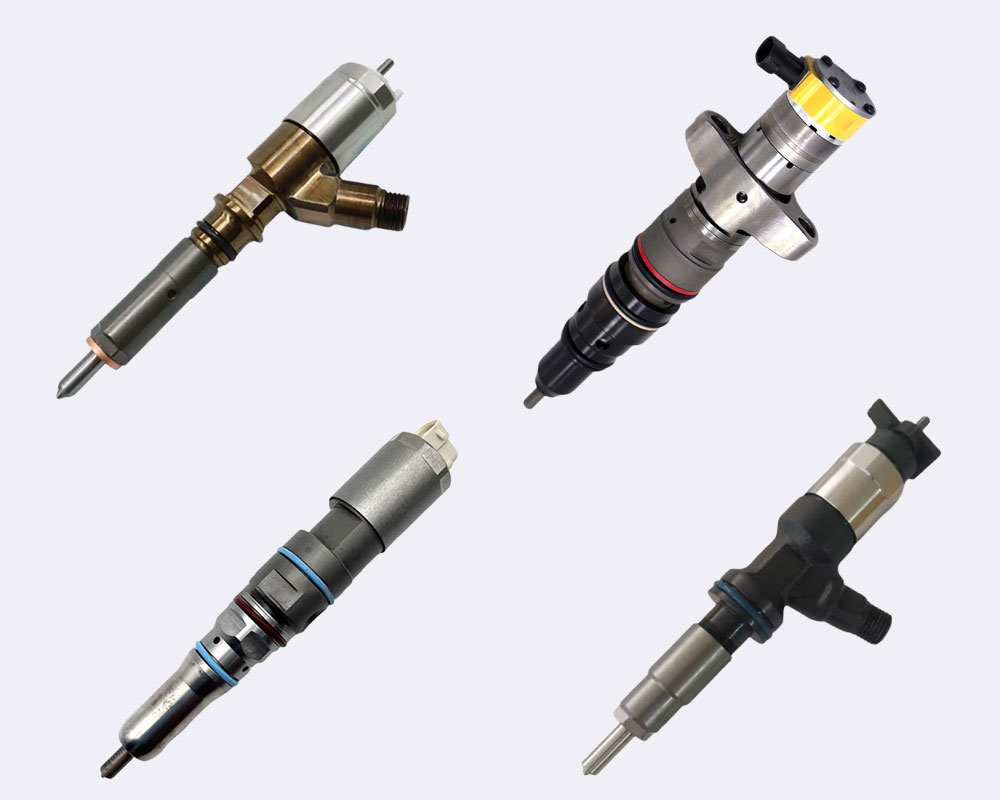
Main component: OEM-grade Common Rail Fuel Injector. Ensure the part number matches the vehicle—popular options include:
○ For German/American models (Mercedes, BMW, Audi, Volkswagen): OEM numbers 22374644, 85013914, 22282202, etc., featuring imported core components for precise fuel atomization and complete combustion.
○ For CAT equipment (excavators, loaders): OEM numbers 320-0680, 320-0677, 321-0990, etc., compatible with C7, C9, C13 engine series and backed by a 12-month warranty.
3.3 Part Pre-Inspection
Cross-verify compatibility: Check the vehicle’s VIN, engine code, or old fuel injector’s OEM number against the new part. For example, a BMW 320i with the N20 engine requires fuel injectors matching its specific engine code.
Inspect part quality: Ensure the new Common Rail Fuel Injector has passed pressure and leak tests (as confirmed by the manufacturer’s quality inspection certificate), with no damage to the nozzle or electrical connector. Fuel lines should be free of cracks, and connectors should have intact locking mechanisms.
4. System Inspection: Check Related Components for Secondary Damage
A faulty fuel injector may cause wear to other fuel system parts. Inspecting and replacing these components in advance ensures the new fuel injector operates optimally.
4.1 Inspect the Common Rail and Pressure Sensor
Check the fuel rail for corrosion, cracks, or carbon deposits—clean the injector mounting holes with a soft brush to ensure a tight fit.
Verify the common rail pressure sensor is functioning correctly; a faulty sensor can cause incorrect fuel pressure regulation, damaging the new fuel injector.
4.2 Examine Fuel Lines and Connectors
Inspect all fuel lines (supply lines, return lines) for bulging, aging, or leaks. Replace worn lines with model-specific options, such as the 6814149AD for Jeep Wrangler or A6050701532 for Mercedes-Benz C-Class.
Check fuel line connectors (e.g., 9799970072 for Mercedes-Benz AXOR, 20395028 for Volvo trucks) for looseness or oxidation. Replace damaged connectors to avoid pressure loss or fuel leaks.
4.3 Evaluate Auxiliary Components
For heavy-duty engines, inspect hydraulic hoses and pneumatic couplings to ensure they can withstand the system’s operating pressure.
Replace the fuel filter (a common cause of injector clogging) and check the fuel overflow valve (e.g., SCANIA-compatible 8122307SX) to maintain clean fuel supply to the new fuel injector.
5. Coding and Pre-Adaptation: Prepare for ECU Compatibility
5.1 Injector Coding Preparation
Obtain the compensation code for the new Common Rail Fuel Injector (provided by the manufacturer). For match-flowed injectors, the code typically combines digits from the injector plug (e.g., first two digits + 26 zeros + last two digits) to ensure the ECU recognizes its flow characteristics.
Pre-code the injector using an OBD scanner before installation—this verifies the injector is compatible with the vehicle’s ECU, avoiding returns due to incorrect ordering.
6. Pre-Installation Preparation: Refine Details for Success.
6.1 Document and Label
Mark the cylinder position of each old fuel injector (e.g., “Cylinder 1”) to ensure the new fuel injectors are installed in the correct order—critical for balanced engine performance.
Take photos of the fuel rail, injector wiring, and connector positions for reference during reinstallation, especially for complex systems like CAT’s C13 engine.
6.2 Prepare the New Injector and Installation Area
Avoid touching the fuel injector nozzle or electrical connector with bare hands—oil, dirt, or fingerprints can cause clogging or electrical malfunctions. Use lint-free cloths to handle the component.
Apply a thin layer of clean diesel fuel to the new fuel injector’s O-rings and seals to reduce friction during installation, preventing damage to the seals (compatible with fuel-resistant gaskets from Shijiazhuang Standards Rubber).
Clean the fuel rail’s injector mounting holes and the engine’s injector seat to remove carbon deposits, ensuring a tight seal.
7. Key Reminders for Post-Installation
After replacement, run the engine at idle for 5–10 minutes to check for fuel leaks. Conduct a test drive covering various conditions (idle, acceleration, cruising) for at least one full day to allow the ECU to adapt to the new fuel injector. If issues like rough running persist, verify fuel pressure, injector coding, or the integrity of fuel lines and fuel line connectors.
By following these preparations, you not only ensure a successful common rail fuel injector replacement but also extend the lifespan of the entire fuel system. Shijiazhuang Standards Rubber Products Co., Ltd. provides a full range of compatible components—from Common Rail Fuel Injectors and fuel lines to connectors and seals—all manufactured to OEM standards.