Keeping fuel injectors clean is vital for diesel engine reliability, but choosing between DIY cleaning and professional service can be confusing. Whether you’re a car owner or a fleet manager, understanding the pros and cons of each method—plus when to invest in new injectors—will save you time and money.
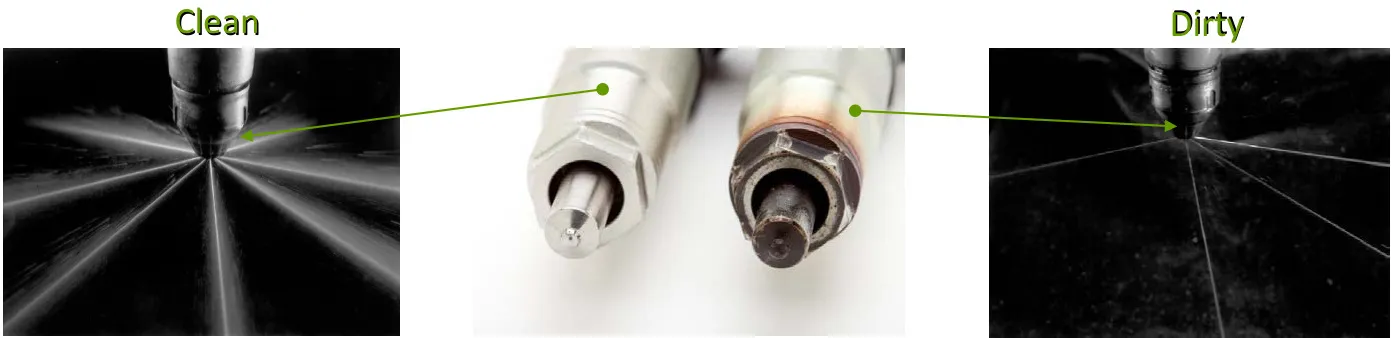
What You Need to Know About Fuel Injector Deposits
Diesel fuel injectors—especially common rail systems—rely on precise fuel atomisation to operate efficiently. Deposits form due to:
• Low-quality diesel or additives
• Extended idle time (common in construction or agricultural equipment)
• Infrequent engine use
• Contaminated fuel filters
These deposits block nozzles, reduce fuel efficiency, and can lead to costly engine damage. Cleaning fuel injectors removes this buildup—but the right method depends on the severity of the problem.
DIY Fuel Injector Cleaning: Best for Mild Deposits
DIY cleaning is ideal if your engine has minor issues (e.g., slight rough idling) and injectors are relatively new (under 100,000 km).
basic fuel injector cleaning kit is far more affordable than professional service.
You can do it on-site, with no need to transport injectors to a workshop.
For the best results, use a kit designed for your engine type. For example, if you’re working on a Ford Transit or Mazda fitted with Standards Rubber’s 095000 series injectors, choose a cleaner compatible with common rail systems to avoid damaging sensitive components. Always follow the kit instructions closely to ensure safe and effective cleaning.
Professional Fuel Injector Cleaning—For Heavy Deposits
Professional service is worth investing in for injectors with severe buildup or performance issues.
• Ultrasonic cleaning machines (to dissolve tough carbon deposits)
• Flow testing tools (to ensure consistent fuel delivery)
• Calibration equipment (to match OEM specifications)
DIY vs Professional Cleaning: A Detailed Comparison
Factor | DIY Cleaning | Professional Service |
Effectiveness | Good for mild deposits | Excellent for heavy buildup |
Convenience | High (on-site, flexible timing) | Low (requires booking and transport) |
Equipment Used | Basic cleaning kits | Ultrasonic machines, flow testers |
Suitable For | Newer injectors (<100,000 km), minor issues | Older injectors, severe clogs, performance problems |
When to Skip Cleaning—Replace Your Injectors
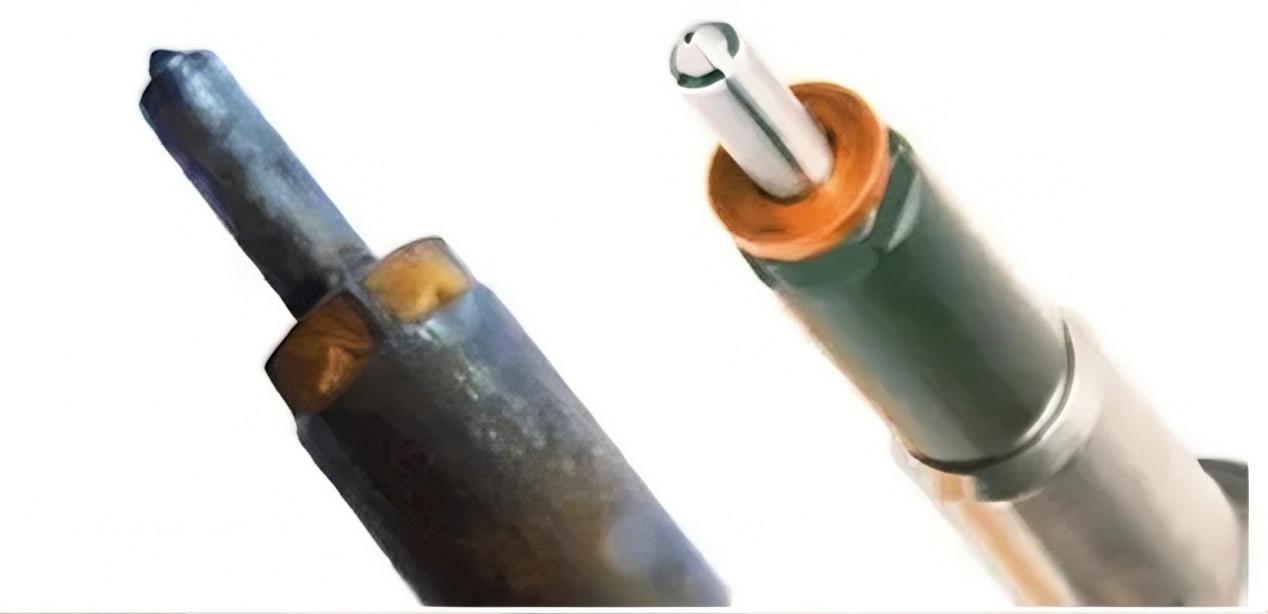
Even the best cleaning won’t fix worn or damaged injectors. You should replace them if:
• Professional cleaning doesn’t restore performance
• Injectors leak, have cracked nozzles, or fail pressure tests
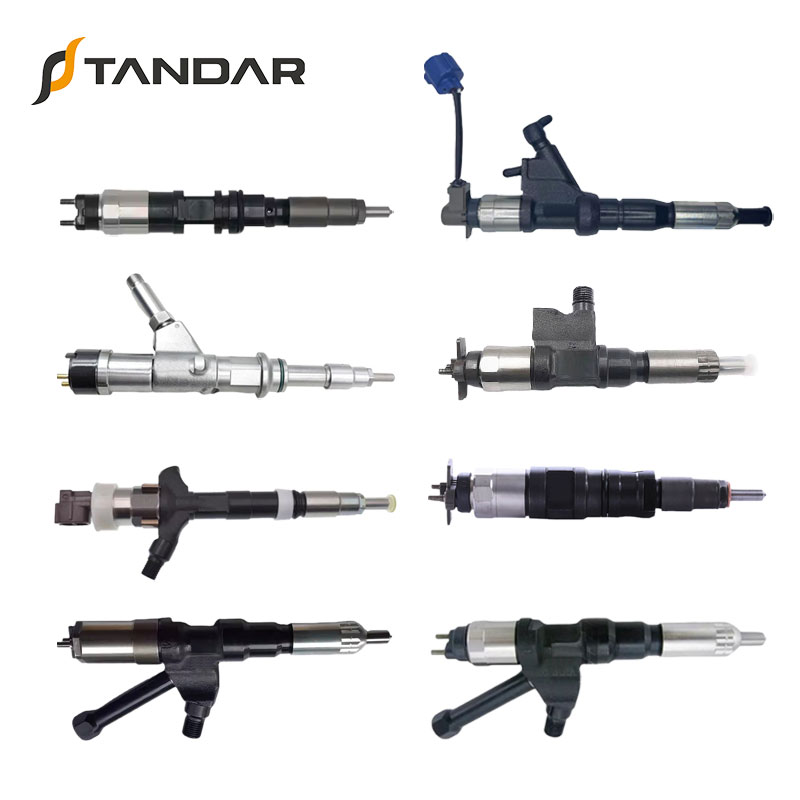
Standards Rubber’s replacement injectors are the perfect choice for these scenarios. Our product range includes:
• Bosch 0445110 series (for trucks, excavators, and diesel engines)
• Delphi 33800 series (compatible with Kia, Hyundai, and other Asian models)
• OEM-quality variants with part numbers such as 095000-5340and 21371672
All injectors undergo rigorous testing (including spray pattern and leakage checks) and are available in stock with a minimum order quantity (MOQ) of 10 pieces—ideal for repair shops or bulk purchases.
Pro Tips for Choosing the Right Option
• For minor issues: Use a fuel injector cleaning kit and replace the fuel filter.
• For moderate buildup: Combine DIY cleaning with a fuel system additive.
• For severe problems: Opt for professional cleaning.
Final Thought: Invest in Quality to Avoid Frequent Cleaning
The best way to reduce the need for fuel injector cleaning is to use high-quality injectors and fuel. Whether you choose DIY, professional cleaning, or replacement, Standards Rubber has the parts and expertise to keep your diesel engine running smoothly. Explore our full range of fuel injectors and contact us for custom solutions tailored to your industry.